


In the contemporary digital landscape, where cyber threats are continually evolving, safeguarding sensitive data and systems is crucial. A key component of cybersecurity is authentication, the process of confirming the identity of users or systems attempting to access resources. Multi-factor authentication (MFA) serves as an essential tool in this defense strategy, adding an extra layer of protection beyond the conventional username and password method. In this thorough examination, we will delve into what MFA entails, its significance in the realm of cybersecurity, and provide a comprehensive analysis of its role in defending against a range of cyber threats
What is Multi-factor Authentication (MFA)?

Multi-factor authentication, often referred to as two-factor authentication (2FA) or two-step verification, is a security approach that necessitates users to present two or more forms of identification before they can access a system or application. These identification factors generally fall into three categories:
- Something you know: : This includes passwords, PINs, or responses to security inquiries.
- Something you have:This involves physical tokens, smart cards, or mobile devices.
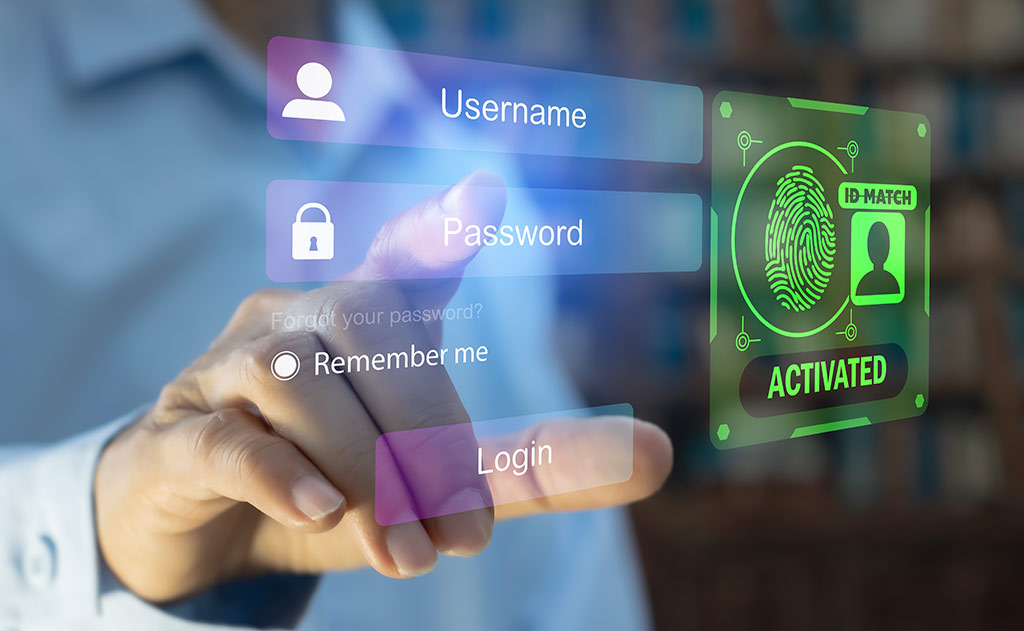
- Something you are: This includes biometric identifiers like fingerprints, facial recognition, or iris scans.
MFA integrates these factors to significantly bolster security when compared to relying solely on passwords. Even if one factor is compromised (for instance, if a password is stolen), the attacker would still require the additional factor(s) to gain unauthorized entry.
Why MFA Matters in Cybersecurity

1. Strengthening Authentication:
Relying on passwords alone is no longer adequate to defend against the wide range of cyber threats. Given the frequency of data breaches and password leaks, many users tend to reuse passwords across several accounts, which makes them susceptible to credential stuffing attacks. MFA reduces this vulnerability by incorporating an additional layer of authentication, lowering the chances of unauthorized access even if passwords are compromised.
2. Protecting Against Phishing:
Phishing attacks, where attackers deceive users into revealing their credentials through fraudulent emails or websites, continue to be a significant threat. MFA helps lessen the impact of phishing by requiring attackers to acquire not only the victim’s password but also an additional factor, such as a one-time code generated by a mobile app. This considerably raises the bar for attackers, making successful breaches more difficult.
3. Mitigating Insider Threats:
Insider threats, whether intentional or accidental, present serious risks to organizations. An employee with valid access credentials may misuse their privileges or unintentionally disclose sensitive information. MFA provides an additional layer of security, making it harder for insiders to perform unauthorized actions without the extra authentication factor.
4. Compliance Requirements:
Numerous regulatory standards and industry frameworks, such as the Payment Card Industry Data Security Standard (PCI DSS) and the Health Insurance Portability and Accountability Act (HIPAA), require the implementation of MFA as part of security best practices. Adhering to these standards is critical for organizations managing sensitive data, and deploying MFA assists in fulfilling these obligations.
5. Enhancing User Experience:
While security remains a top priority, MFA can also improve the user experience by providing flexibility in authentication methods. Users can select from various factors based on their preferences and convenience, such as receiving authentication codes via SMS, utilizing authentication apps, or employing biometric authentication. This flexibility caters to different user needs while upholding security standards.
In-depth Analysis of the Importance of MFA
A. Defense Against Credential Theft:
One of the key advantages of Multi-Factor Authentication (MFA) is its effectiveness in reducing the risk of credential theft. Passwords are inherently susceptible, as they can be acquired through various tactics such as phishing, malware, or brute-force methods. Once a password is compromised, an attacker can effortlessly gain unauthorized entry to sensitive accounts or systems. MFA disrupts this attack approach by necessitating an additional factor beyond the stolen password, significantly increasing the difficulty for attackers.
B. Reducing the Impact of Password Reuse:
Password reuse is a widespread concern among users, fueled by the sheer number of accounts individuals must manage alongside the challenge of remembering unique passwords for each one. However, this practice presents a considerable security threat, as the breach of one account can lead to the breach of others if the same password is reused. MFA lessens the effects of password reuse by introducing an extra layer of authentication, ensuring that even if a password is compromised, the attacker would still require the additional factor(s) to access other accounts.
C. Balancing Security and Usability:
One of the difficulties in implementing security measures is achieving the right balance between security and ease of use. While strong security is vital, overly complicated authentication processes can frustrate users and impede productivity. MFA tackles this issue by offering a multi-layered approach to authentication that bolsters security without excessively burdening users. By providing a range of authentication factors and allowing users to select the most convenient option, organizations can uphold a high level of security while ensuring a favorable user experience.
D. Adapting to Evolving Threats:
Cyber threats are continually advancing, with attackers using ever more sophisticated techniques to circumvent security measures. MFA offers a dynamic defense against these advancing threats by introducing an extra layer of complexity to the authentication process. As attackers devise new strategies to compromise passwords or bypass traditional security controls, MFA elevates the challenge for them, compelling them to overcome additional obstacles to achieve their goals. Furthermore, organizations can adapt MFA implementations to integrate emerging authentication technologies and remain ahead of evolving threats.
E. Building a Culture of Security:
In addition to its technical advantages, MFA is vital in fostering a culture of security within organizations. By adopting MFA as a standard security protocol, organizations showcase their commitment to safeguarding sensitive data and resources. This conveys a clear message to employees, partners, and customers that security is of utmost importance. Moreover, MFA acts as a visible reminder of the significance of robust authentication practices, motivating individuals to embrace similar security measures in their personal and professional lives.
Conclusion
Multi-factor authentication (MFA) is an essential element of contemporary cybersecurity approaches, providing an extra layer of security beyond conventional password-based access. By necessitating that users present various forms of identification, MFA greatly improves protection, reduces the likelihood of credential compromise, and assists organizations in adhering to regulatory standards. Additionally, MFA enhances user convenience by allowing a variety of authentication methods while striking a balance between security and ease of use. As cyber threats continue to advance, MFA remains a key instrument in preventing unauthorized access and securing sensitive data and systems.
In conclusion, implementing MFA is not just a recommended security measure but a crucial necessity for organizations aiming to safeguard their resources and uphold trust in an increasingly connected digital landscape.
